



Abstract
New hypersonic missiles, capable of maneuvering and flying faster than 5,000 km/h pose threats to nations given their relatively short time of flight, strain on command-and-control (C2), and ability to penetrate most air defences. Research on the cost dynamics of both offensive hypersonic systems and their prospective counters, highlights the importance of cost-exchange ratios, scalability, and strategic stability in future great power competition. Cost considerations in countering hypersonic weapons for traditional defences include conventional interceptor missiles and sensor networks to track and cue interceptors. Cost estimates for hypersonic weapon systems indicate that their full life-cycle costs — including research, development, testing, evaluation, production, and operations and support — are likely to exceed USD $1 billion per system. What capabilities do defenders need to counter hypersonic missile threats? This paper explores options for the defender to develop and employ asymmetric strategies forcing the aggressor to expend more resources than the defender and the strategic competition implications of this threat and counter-threat dynamic.
Introduction
National defence analysts often recommend cost-imposing strategies as a way for partner nations and allies to maintain strategic advantage without engaging in ruinously expensive arms races. By exploiting technological asymmetries, operational concepts, or the inherent weaknesses in an adversary’s systems, defenders can ensure that their own investments yield high defensive value while making it increasingly expensive and less attractive for adversaries to continue their offensive buildup. As hypersonic weapon development and fielding progress with large countries along with the opportunity of the proliferation of these threats to smaller ones, the need to defend critical infrastructure from these weapons similarly spreads in response. Is there a path towards a cost-imposing strategy against hypersonic missile threats?
A cost-imposing strategy is about making an adversary pay more to achieve their objectives than it costs you to defend against them. It is a way to gain or maintain strategic advantage by leveraging affordability, innovation, and operational creativity, rather than by matching every threat with a similarly expensive response. If hypersonic weapons are perceived as capable of pre-empting or neutralizing nuclear or conventional deterrent forces, strategic stability may be threatened.
In this paper, we explore the competition between potential adversaries regarding hypersonic weapons – employment by the aggressor and protection by the defender in cost-effective ways to mitigate the threat and potentially deter the aggressor from further build-up. In order to do so, we need to first describe key attributes of hypersonic threats, potential counters for the defender, and the costs for both.
How are hypersonic weapons different?
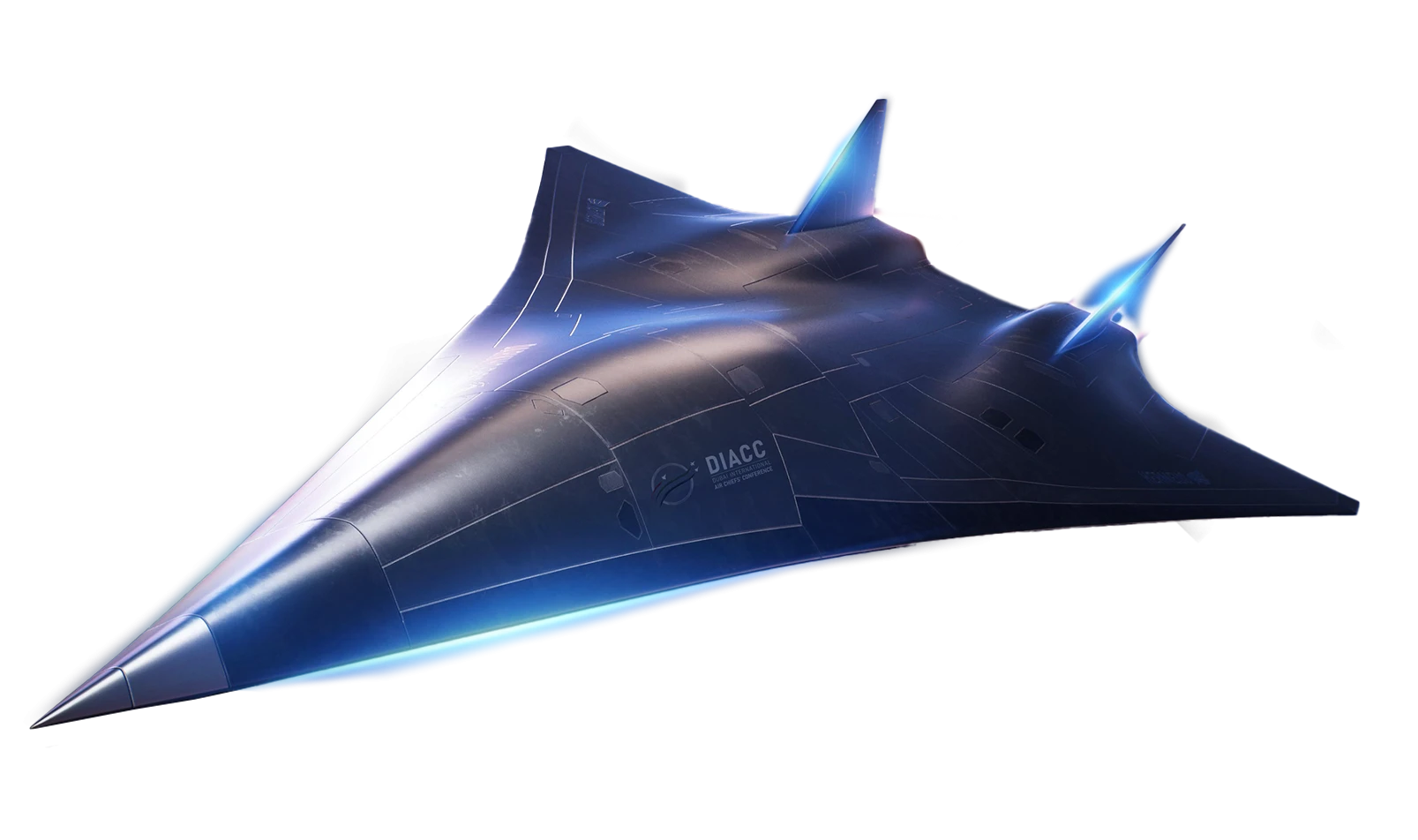
Hypersonic weapons – defined as traveling at speeds greater than five times the speed of sound (or Mach 5+) and capable of manoeuvring during flight – represent a significant evolution in military technology, with the potential to alter the landscape of future warfare with a new means of long-range strike. Several countries are actively developing hypersonic systems, which have been described as challenging to detect, track, and intercept with current missile defence architectures.
Hypersonic weapons include systems like the some currently fielded boost-glide systems missile which are ballistic through most of their flight but have substantial manoeuvre capability as they approach their target. The term also includes high-speed air-breathing cruise missiles, typically powered by scramjets. Several key characteristics of all types of hypersonic weapons make them attractive to military planners. First, their combination of speed and manoeuvrability allows them to reach their intended targets at long-range rapidly and alter their trajectory, complicating interception from defences. Second, their low flight profiles (compared to ballistic trajectory profiles) may reduce the time available for detection and response if the defender’s warning system is based on the missile crossing a radar horizon threshold. Third, hypersonic weapons are perceived as capable of overcoming advanced missile defence systems. Another important characteristic is the defender’s inability to predict the impact point early on (as compared to ballistic missiles) which could result in compressed decision time. Finally, the long-range hypersonic missiles guidance capability will give them an accuracy, circular error probable, better than that of traditional ballistic missiles. This may be destabilizing in competition.
Therefore, hypersonic weapons pose threats to nations given that their complex flight profiles strain on command-and-control (C2), ability to penetrate most air defences, and increased accuracy. Nonetheless, hypersonic weapons are not “silver bullets.” Their advantages are context-dependent and may be mitigated by emerging countermeasures and operational concepts (Speier et al, 2018; Karako et al., 2019).
What are options for defending against them?
It is helpful to discuss cost-effective defence options in the context of the process to defend against a missile threat, which is typically described as a layered integrated air and missile defence (IAMD). The three main components to IAMD are detecting and tracking the threat, intercepting the threat, and command-and-control (C2) of the defences to successfully protect the target by engaging the threat. The detection and warning, or sensing and intercept components can have elements in multiple domains and/or phenomenologies. In general, the more domains and phenomenologies you have representative capabilities in, the more difficult the defender can make it for the aggressor to counter the defences. In addition to this active defence – and we use the term ‘active’ here to describe the situation where the defender actively engages the incoming threat – there may be passive measures taken too. Passive measures may include hardening targets, creating decoys to complicate the adversary’s attack, dispersal of high-value assets, and hiding targets (e.g. camouflage). The goal of passive steps is to degrade the adversary’s weapon effectiveness.
When thinking through cost-imposing options, leveraging existing defences is a good place to start. Both current sensing systems and interceptors may need modifications to address the speed and manoeuvrability of a hypersonic weapon. However, those costs are likely relatively small compared to new systems or creating an IAMD architecture from scratch.
Augmenting an existing IAMD for hypersonic missile defence may mean additional capabilities for each of the three IAMD components. Sensing layers across domains may include detection and tracking systems like commercial remote sensing satellites. With the growth of commercial satellites globally, the defender could also purchase additional space-based detection and tracking capabilities. Space-based sensing adds a layer of robustness to efforts the aggressor may take against airborne systems; however, we note that space is no longer a sanctuary either. Unmanned aerial vehicles (UAVs) with commercial off-the-shelf sensors could be added to the existing defence architecture. Swarms of UAVs equipped with advanced sensors can provide persistent, wide-area surveillance, enhancing early warning and tracking of hypersonic threats (Speier et al., 2017). UAV swarms offer scalability and redundancy, making them resilient against saturation attacks. The relatively low cost of individual UAVs enables mass deployment, which could complicate an adversary’s targeting calculus.
High-power lasers or microwave weapons could provide near instantaneous engagement, potentially offering a solution to the limited reaction time problem. However, they are limited by weather and power supply and their effectiveness is for terminal engagements at close-range only. Once operational, directed energy weapons may be able to engage multiple targets, making them potentially suitable for defending against saturation attacks. However, many laser weapon designs require a significant dwell time, particularly if the kill mechanism is heating a re-entering warhead which has a heat shield and is already quite hot. While promising, key technical challenges include delivering sufficient power, atmospheric attenuation, beam control, and maintaining continuous tracking of fast-moving, manoeuvring targets (Karako et al., 2019). Continued investment in directed energy weapon research and development is necessary, with the expectation that advances in power generation, cooling, and tracking will be necessary for effective deployment.
Electronic Warfare (EW) or cyber operations can contribute to layered defences. Degrading the adversary’s targeting with precision, navigation, and timing jamming or spoofing may protect the defended asset but collateral damage may incur. Jamming adversary’s radars can also help degrade their effectiveness and UAVs may be contributors if they carry EW payloads to jam or spoof the attacker’s guidance or sensing systems. Data disruption or corruption via cyber-attacks are additional means of degrading the adversary’s effectiveness.
Where and how to intercept the hypersonic threat influences potential solutions. Striking the launcher, boost-phase, or in-flight engagements should all be considered. UAV swarms may be cost-effective means of defending against an attack by targeting the launcher, for example. While current UAVs lack the speed to intercept hypersonic weapons kinetically, future concepts may involve UAVs deploying interceptors or engaging in close-in defence roles (Tracy and Wright, 2022).
Reducing the effectiveness of attacks is another cost-effective option besides the EW and cyber operations just mentioned. For example, making high value assets mobile complicates targeting. Hardening infrastructure (fixed targets) degrades the aggressor’s weapon effectiveness as does proliferating decoys. Decoys have long been used to confuse offensive targeting and exhaust adversary munitions. Advanced decoy systems could be tailored to exploit the guidance and target discrimination limitations of hypersonic weapons:
• Radar and Infrared Decoys: Deploying decoys that mimic the radar or thermal signatures of high-value assets can force hypersonic weapons to expend their limited manoeuvre energy on false targets.
• Mobile and Relocatable Decoys: By frequently moving decoys and real assets, defenders can further complicate adversary targeting and reduce the effectiveness of pre-programmed strikes (Speier et al., 2017).
The cost-exchange ratio favours defenders when decoys are inexpensive and hypersonic weapons are costly. Note that these systems for degrading the adversary’s weapon engagement success is independent of an IAMD. In other words, countries that cannot afford sophisticated IAMD could still create environments that may deter the aggressor for using a limited hypersonic weapon inventory on them if the number of weapons required becomes unpalatable.
The command-and-control of the layered defences is the third critical element of IAMD. Command decisions are particularly stressed by hypersonic threats due to their unpredictable flight path to the target. Here, automated systems to include leveraging Artificial Intelligence to help orchestrate collection, provide defensive weapon and target pairing, and tasking interceptions will enable a defending commander to decide and act within the time constraints. These technology advances should not be taken for granted. They are essential.
No single capability is likely to provide a comprehensive solution to the hypersonic challenge.
Instead, a layered defence integrating multiple lower-cost elements is suggested:
• Early Warning and Tracking: Persistent, multi-domain sensors (including UAVs and space-based assets) are critical for detecting, tracking, and warning possible targets.
• Layered Defences: Combining decoys, electronic warfare, kinetic interceptors, and directed energy weapons increases the probability of successful defence.
Fielding affordable countermeasures to hypersonic weapons, _“can impose greater costs on the attacker, who must expend expensive hypersonic weapons against inexpensive targets or face a higher risk of mission failure.” _(Speier et al., 2017)
How do the costs of compare?
Research on the costs of both offensive hypersonic systems and their prospective counters exists. Hypersonic weapons require, sophisticated guidance and control systems, making them expensive to develop and produce. Unit costs are typically higher than traditional cruise or ballistic missiles. Additionally, due to their complexity and cost, most countries can only afford to field relatively small numbers of hypersonic weapons, making their use more selective and strategic (Speier et al., 2017).
Cost estimates for hypersonic weapon systems indicate that their average procurement unit cost (APUC) are likely 10s of millions per missile. For example, a 1998 National Research Council study estimated the cost of a hypersonic, air-launched, air-breathing, hydrocarbon-fueled missile program at $750 million to $1.5 billion (in 1998 dollars) for 30 to 50 missiles ready for operational use (Silberglitt et al., 2022). In April 2018, the Pentagon awarded $928 million to Lockheed Martin for the design, development, and integration of a hypersonic, conventional, air-launched, stand-off weapon (Silberglitt et al., 2022) which falls within the National Research Council estimated range.
Traditional IAMD systems are expensive too. Extending their mission to include defending against hypersonic weapons may require upgrading or deploying new sensor networks (including space-based sensors and advanced radar) to track hypersonic weapons which will add significant procurement and sustainment costs (Speier et al., 2017). Interceptor missiles often are millions of dollars per unit. Against hypersonic threats, which are difficult to track and intercept due to their speed and manoeuvrability, traditional interceptors may require further technological advancement, driving costs even higher.
Improving detection and tracking capabilities—through space-based sensors, advanced radars, and persistent surveillance platforms—demands significant investment in new infrastructure and technology. Regarding a space-based sensing layer, costs vary with one news source reporting a 28 satellite constellation funded by the U.S. Space Development Agency at $1.3 billion to improve tracking of hypersonic missile threats. Other articles report even higher costs. There is less publicly available information on the precise costs of counter-hypersonic systems compared to offensive hypersonic weapons, but available data indicate that the scale of investment is similar.
Clearly, the costs of both sides – the aggressor’s and the defender’s – are high for entering into the competition. The question remains as to the incremental costs and effectiveness (or value) of improved defences in this ‘cat and mouse’ game and the implications of their cost-effectiveness to the broader air and missile defence competition.
While operating and sustainment costs may look promising for some of the newer technologies discussed above, the procurement cost is not. The cost to buy an additional unit of capability, roughly APUC, is key. Ground based lasers could range from $150 million to $500 million, depending on the buy rate even though cost per shot would be very low (Silverbilt, 2022). The cost of a swarm or proliferated UAV package will depend on the mission attributes needed. Tactical UAVs, such as the Raven and Puma AE, are in the $200,000 range per unit, and small fixed-wing UAVs like the ScanEagle are around $1 million per unit. Medium range UAV, like the MQ-9, can cost over $35 million per unit (Speier et al., 2017). Example costs are provided in the table below.
Table 1. Estimated Unit Costs and Roles of Missile Defence Systems
| System Type | Unit Cost (USD) | Role in Missile Defence |
|---|---|---|
| Small sensing UAV | $5,000–$50,000 | Detection, tracking, decoys |
| Medium military UAV | $100,000–$1 million | Sensing, EW |
| Large military UAV | $15–$35 million | Persistent surveillance, EW |
| Missile interceptor | $2–$5 million | Kinetic intercept |
What efforts or levers do defenders have to lower their costs?
A nation’s military can leverage current best practises in the commercial sector to help lower costs of hypersonic threat counters. For example, embracing current commercial approaches to rapid development and production may not only speed fielding of defender systems but, it may likely help with military innovation and lower costs. Systems that are developed in rapid prototyping and testing can allow for quick iterations on designs. This not only accelerates the development process but also can aid identification of cost-saving measures early in the design phase. The use of advanced manufacturing technologies, such as additive manufacturing (3D printing), can significantly reduce production costs and time. Focusing on dual-use technologies that can serve both military and civilian applications can help reduce unit procurement costs and encourage investment from the private sector. By using modular components, counters that are developed may be more easily adapted or upgraded. Further, this approach can reduce development costs and time, as modules can potentially be reused across different platforms.
What are the implications for future competition?
Hypersonic weapons may trigger a new arms race, both in offensive systems and in the development of advanced, often costly, defensive architectures. If cost-effective defences lag behind, hypersonic weapons could undermine strategic stability. It is sobering to consider that if hypersonic weapons are perceived as capable of pre-empting or neutralizing nuclear or conventional deterrent forces, strategic stability could be threatened. Therefore, effective countermeasures would help preserve deterrence by reducing the vulnerability of critical assets (Speier et al., 2017; Karako et al., 2019).
Fielding scalable, affordable counters – such as UAVs, decoys, other passive measures, and possibly directed energy weapons – may shift the cost curve, making it unsustainable for adversaries to rely on hypersonics as a primary means of penetrating defences. This, in turn, may discourage large-scale hypersonic arsenals and reduce incentives for pre-emptive strikes. It could also shift an adversary’s use against other adversaries with less formidable defences.
In this complicated and nuanced geopolitical environment, the potential exists for ally cooperation in developing and fielding cost-effective countermeasures. Shared investments in sensor networks, decoy technologies, other passive defences, and directed energy weapons can spread costs, speed up deployment, and create interoperable “coalition” defences.
Conclusion
Effective, affordable counters to hypersonic weapons may help preserve deterrence by ensuring that critical assets are not left vulnerable to rapid, hard-to-intercept attacks. This supports crisis stability and reduces the risk of accidental escalation.
While hypersonic weapons present a formidable challenge, their strategic impact is not absolute. By pursuing cost-effective, layered defences —including UAVs, passive defence measures, and directed energy weapons — defenders can impose disproportionate costs on attackers, maintain strategic stability, and shape the future trajectory of the hypersonic arms competition. The focus on affordable, scalable solutions is essential for maintaining a favourable balance in the cost-exchange dynamic and ensuring long-term security in an era of rapid technological change. The development and integration of these systems will require sustained investment, technological innovation, and close cooperation with allies and partners. Investing in defensive technology that leverages commercial capabilities and processes and coordinating with allies and partners to deploy weapons and sensors on their territory could provide more defence in depth and possibly share the cost of those systems.
This paper explored options for the defender to develop and employ asymmetric strategies forcing the aggressor to expend more resources than the defender and the strategic competition implications of this threat and counter-threat cat and mouse dynamic.
References
Karako, T., Williams, I. and Rumbaugh, W., 2019. Countering hypersonic missile threats. RAND Commentary. Available at: https://www.rand.org/pubs/commentary/2019/09/countering-hypersonic-missile-threats.html [Accessed 20 Aug. 2025].
Silverglitt, R., Cook, C. R., Popper, S.W., Colabella, L.P., Dreyer, P., Hastings, E., Hou, A.C., Levedahl, A., Parker, E., Savitz, S. and Zhang, L.A., 2025. Systematic method for prioritizing investments in game-changing technologies: the evaluation and comparisons process framework. RR-A632-1. Santa Monica, CA: RAND Corporation. Available at: https://www.rand.org/pubs/research_reports/RRA632-1.html [Accessed 20 Aug. 2025].
Speier, R.H., Nacouzi, G., Lee, C.A. and Moore, R.M., 2017. Hypersonic missile nonproliferation: hindering the spread of a new class of weapons. RR-2137-RC. Santa Monica, CA: RAND Corporation. Available at: https://www.rand.org/pubs/research_reports/RR2137.html [Accessed 20 Aug. 2025].
Tracy, C. and Wright, D., 2022. Countering hypersonic weapons: sensible steps for the United States. RAND Blog, 16 March. Available at: https://www.rand.org/blog/2022/03/countering-hypersonic-weapons-sensible-steps-for-the.html [Accessed 20 Aug. 2025].